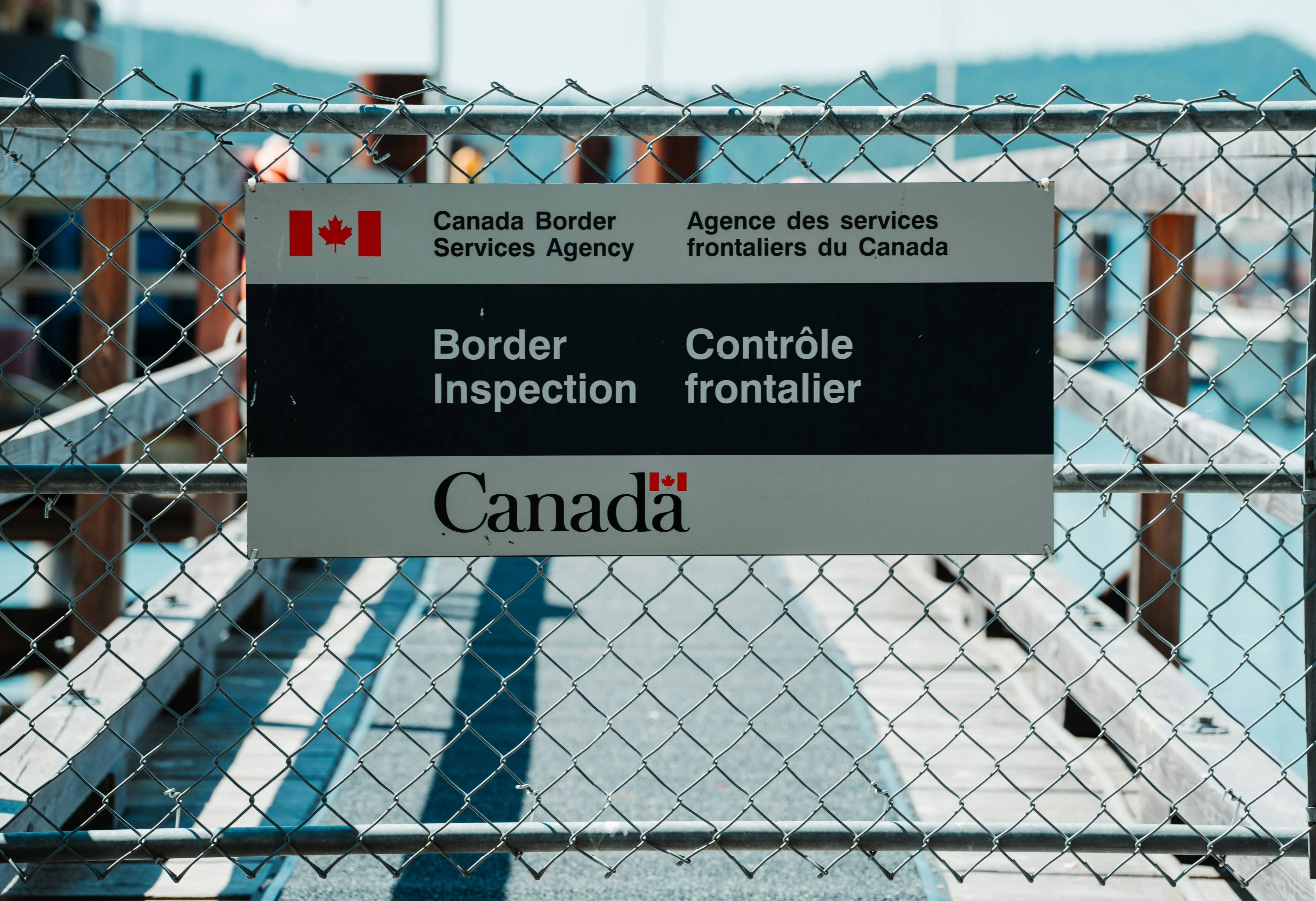
A DUI (driving under the influence) conviction makes you criminally inadmissible to Canada, regardless of how long ago it happened. There is no waiting period that automatically restores entry, even if it is no longer an issue in your home country.
- Less than 5 years: Temporary Resident Permit (TRP) usually required
- 5–9 years: You may be eligible to apply for Criminal Rehabilitation
- 10+ years: Possible Deemed Rehabilitation, depending on your specific circumstances as it is no longer guaranteed
Can You Go to Canada With a DUI?
Not without special permission. Canada classifies driving under the influence as a serious criminal offense under its immigration law, even if the conviction was a misdemeanor in your home country. This makes even a single DUI conviction grounds for criminal inadmissibility at any Canadian port of entry, whether by air or land.
This applies even if:
- The DUI happened decades ago
- It's your only offense
- Your record was expunged or sealed in your home country
Canada does not recognize foreign expungements the same way U.S. courts do, so a sealed or expunged DUI can still appear during a border check.
If you are unsure whether your DUI makes you inadmissible, use our free online eligibility checker today.
Other names for the Same Offense
Canadian border rules apply the same way regardless of what your conviction is called at home. Offenses treated as equivalent to a DUI include: Driving While Intoxicated (DWI), Driving While Ability Impaired (DWAI), Operating While Intoxicated (OWI), Operating a Motor Vehicle While Intoxicated (OMVI), Operating Under the Influence (OUI), "Wet and Reckless" (W&R), Reckless Driving, and Driving Without Due Care and Attention. Canadian officials look at the underlying conduct, not the specific label your state or province used.
Why Canada Treat DUIs As Serious Crimes
In December 2018, Canada strengthened its impaired driving laws. The maximum possible sentence for impaired driving was increased to 10 years in prison, automatically reclassifying DUI offenses as serious criminality under immigration law.
With this legal change DUIs are now treated as major criminal offenses, border officers have little discretion and travelers with even one DUI are frequently denied entry.
How Long After a DUI Can You Go to Canada?
There is no fixed waiting period that guarantees entry. What changes over time is which application you're eligible for:
Under 5 years since sentence completion → Temporary Resident Permit (TRP)
You are not yet eligible for permanent rehabilitation, so you must apply for a TRP which allows entry for a limited period. A TRP is a temporary, purpose-specific authorization, for example, a business trip, vacation, or family matter and can be issued for a single entry or for multiple entries over up to three years.
There are two different ways to apply for a TRP: urgent/port of entry or consulate application. Urgent happens at the border and approval is up to the agent’s discretion. The safer route is to apply for a TRP through the Canadian Consulate. This will take longer, but you will have a better chance of success because the officials will have time to complete their investigation. It can take about a year to get a TRP, so it is important to plan ahead.
TRP eligibility factors
A TRP application is generally stronger when:
- The offense resulted in probation or a suspended sentence, not jail time
- No drugs were involved (simple possession may still be considered)
- There was no physical harm or violence
- There was no property damage (a DUI involving an accident can weigh against you)
- All probation conditions were completed
- You have no more than two convictions, and they were summary (not indictable) offences
These factors influence the strength of an application, not automatic eligibility — a case with none of these red flags can still be denied, and a case with some of them can still succeed with the right documentation.
5 years or more → Criminal Rehabilitation
Once five years have passed since your sentence was fully completed, you can apply for Criminal Rehabilitation, which permanently resolves your inadmissibility as long as you don't reoffend. Processing typically takes around 12-18 months.
If you need to travel sooner, you can file a TRP application alongside your Rehabilitation application: the TRP covers your immediate trip while Rehabilitation is pending.
10 years or more → Possible Deemed Rehabilitation
Since Canada now classifies DUI as a serious criminal offense, a DUI no longer qualifies for automatic Deemed Rehabilitation after ten years, and individuals can still be denied entry at the Canadian border even if the conviction occurred more than a decade ago.
Note: If your DUI occurred before Canadian laws were changed on December 18, 2018, you may be inadmissible for criminality, which is slightly different. To avoid being refused entry, it is strongly recommended to consult with an expert before traveling.
Important: "Sentence completion" means every court-ordered requirement is finished, not just jail time or probation, but also paid fines, restitution, mandatory classes, and community service. The clock for these waiting periods starts only once all of these are done.
A Common Mistake
Many travelers assume that simply waiting 10 years guarantees entry and it doesn't. Every case is reviewed individually, and officers can still refuse entry if documentation is incomplete or eligibility is unclear, particularly for DUIs, which often fall outside automatic Deemed Rehabilitation.
What Happens If You Are Denied Entry with a DUI?
If you have been denied entry to Canada because of your DUI, it is important that you don’t attempt re-entry without resolving the inadmissibility first. Repeated attempts can result in a formal exclusion order or longer-term ban.
Our team helps Americans determine their admissibility and pursue the proper legal solutions so they can enter Canada confidently. Contact us today for a free consultation to learn more about your options, or check your eligibility online.