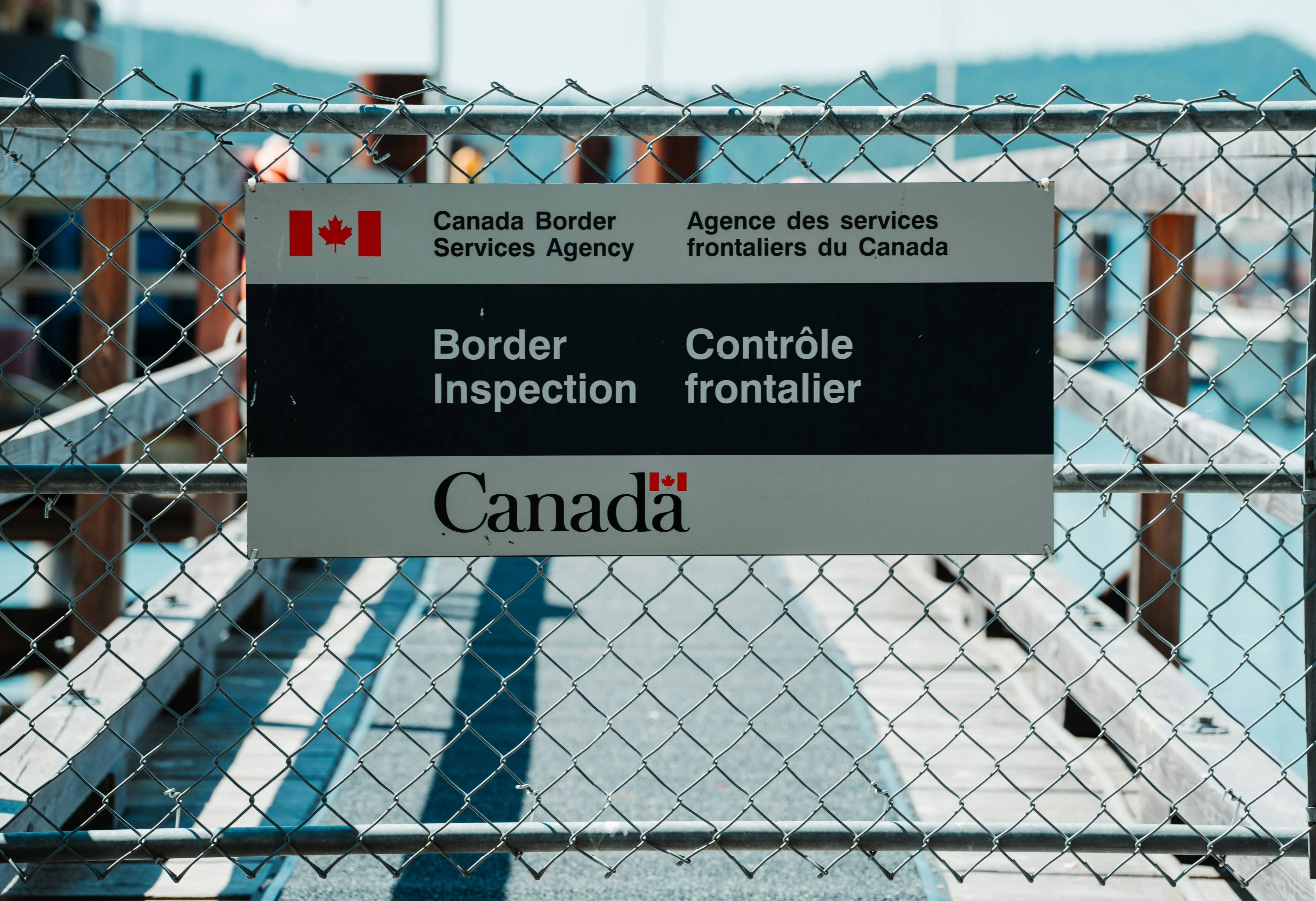
Canada can refuse entry to non-citizens for criminal inadmissibility, and “felony vs. misdemeanor” isn’t the way Canadian officials evaluate risk. Instead, they look at the Canadian equivalent of the offence, the outcome, and when you completed your full sentence to find out if you’re inadmissible to Canada.
This guide covers:
- Go to Canada with a felony: when it’s possible, when it’s not
- Can a felon go to Canada on vacation: what “valid reason” really means
- How does Canada know if you have a felony: what gets checked and why preparation matters
Can you go to Canada with a felony?
Not always. A felony conviction can make you criminally inadmissible to Canada, which means you can be refused entry unless you have special permission or you qualify under an exception.
Even if your conviction is old, it may still matter. Especially if the offence’s Canadian equivalent is treated as more serious.
Can a felon go to Canada on vacation?
Vacation travel is possible only if you’re admissible or you’ve been approved to overcome inadmissibility.
If you’re inadmissible, Canada may still allow entry in justified circumstances, but officers weigh your reason for travel against safety/risk concerns. A casual vacation can be harder to justify than something time-sensitive like urgent family travel or required work travel.
How does Canada know if you have a felony?
Canada can identify criminal history through screening and immigration/border checks. If something is flagged, you may be referred to secondary inspection, where officers can ask questions and request documentation about charges, convictions, and sentence completion.
The Canadian Border Service has had full access to the US Criminal Record Data Base since 1967 and as such, has visibility of American police reports and court records - so a conviction in the US cannot be hidden from the Canadian border.
The key takeaway: assume your record is visible and plan your travel like you’ll need to prove the facts - what happened, the final outcome, and that your sentence is fully completed.
What offences cause the biggest issues at the Canadian border?
Canada evaluates admissibility based on the offence’s Canadian equivalent and how it’s categorized under Canadian law (not whether it’s labeled a felony in the U.S.). (Canada)
Some offences are more likely to trigger problems, including:
- violence/assault-related offences
- theft/fraud (especially repeated or higher severity)
- drug offences (possession, trafficking-related)
- weapons-related offences
- impaired driving (DUI)
“It was 10–30 years ago… am I fine now?”
No, even if it was over 10 years ago, you will still need to ensure you are admissible.
Some people may qualify for deemed rehabilitation in specific situations, but it depends on the offence and whether the Canadian equivalent is considered serious. IRCC recommends travelling with documents that prove the conviction details and that all sentences were completed if you believe you qualify.
Deemed Rehabilitation
Many Americans believe that once 10 years have passed since an offense, they’re automatically cleared to enter Canada under “Deemed Rehabilitation.” That’s simply not true. Eligibility is not automatic — it’s a legal determination made at the border by a Canada Border Services Agency (CBSA) officer. Arriving unprepared and assuming you qualify can result in an immediate denial of entry.
Worse, successive denials can make future approvals even more difficult, raising the bar each time you apply. Before you risk your trip, have your case properly assessed and presented. Using a professional waiver service significantly improves your chances — instead of leaving your entry up to chance.
If you don’t qualify automatically, you generally need a formal pathway like a TRP or Criminal Rehabilitation. Contact AllCleared today for a free consultation and determine your eligibility.
How to Enter Canada with a Felony
A Canadian Entry Waiver is an official pathway that can allow someone who is otherwise criminally inadmissible to enter Canada. In most cases, this means applying for a Temporary Resident Permit (TRP) or Criminal Rehabilitation.
AllCleared’s experts can review your record and travel plans, explain the best path for you, and help you prepare the strongest possible application, so you can avoid surprises at the border and improve your chances of approval.
What happens if you show up at the border without the right approval?
If you’re found inadmissible and don’t have approved permission, you may be refused entry. In many cases, the safest approach is to secure your entry waiver before you travel to avoid being denied entry at the border.
If you are denied entry to Canada, that denial is recorded and can make future attempts more difficult, and depending on the reason for denial—such as criminal inadmissibility, you may now also need a waiver or a permit to be allowed entry.
Traveling to Canada with a Criminal Record?
Planning a trip to Canada but worried about a past criminal record? Don’t risk being turned away at the border. Contact AllCleared today to check your eligibility and get the guidance you need for a smooth entry.