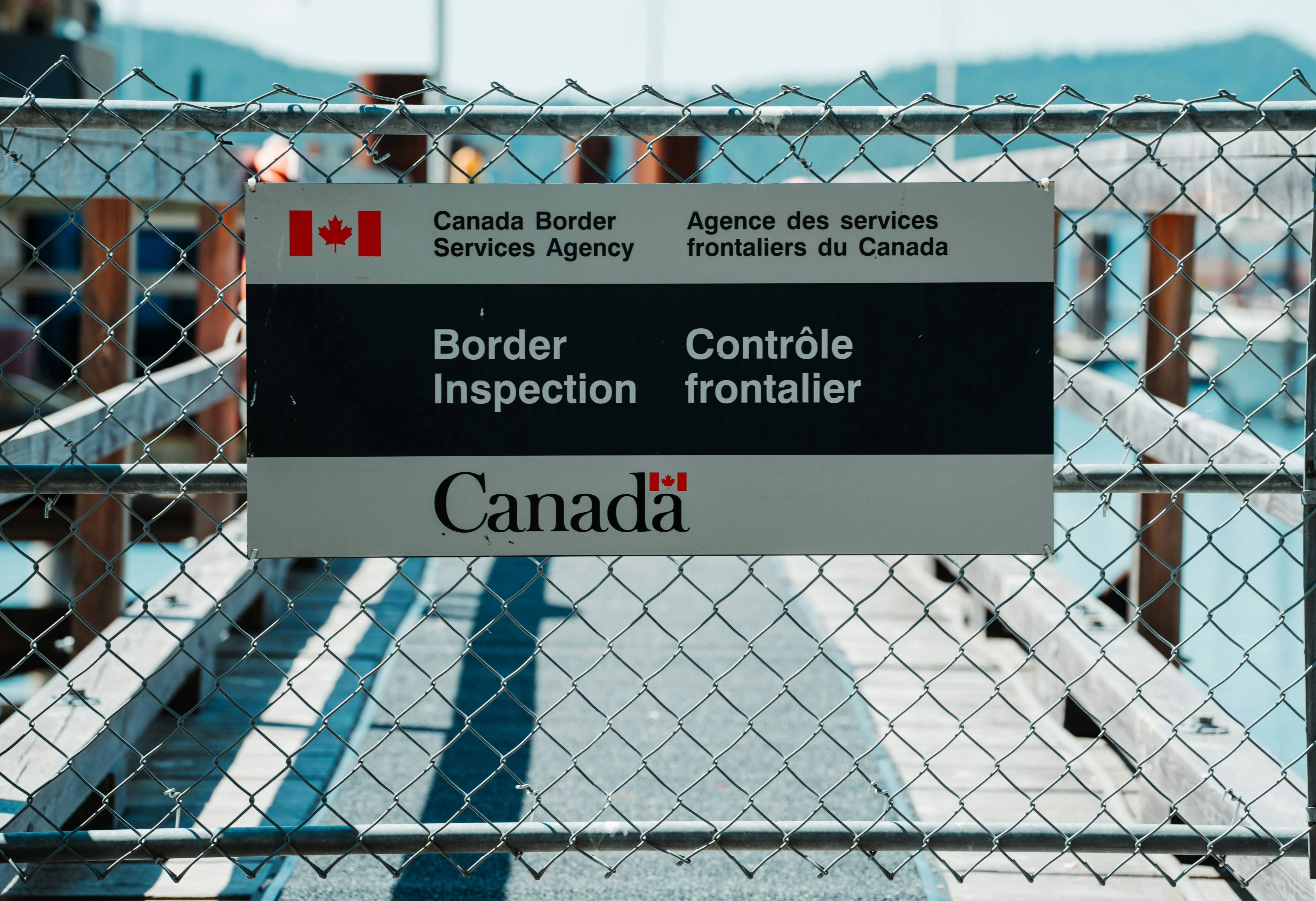
If you're denied entry to Canada, you are not automatically banned for life. A past criminal record can often result in "inadmissible" under Canadian immigration law and in many cases, you can still return with a Canadian Entry Waiver. This guide explains why entry refusals happen, what happens at the border when it does, and the exact steps to take next.
Why Do People Get Denied Entry to Canada?
A common reason travellers are denied entry to Canada is criminal inadmissibility from a past offence, even a minor or old one. Other reasons include missing documents, visa problems, and general immigration or security concerns.
Canada doesn't judge a foreign offence by how it was treated in your home country. Instead, border officers compare it to the closest equivalent Canadian law. That means a conviction, and sometimes even a dismissed charge, that felt minor elsewhere can still trigger inadmissibility here.
Offences that can cause problems at the Canadian border include:
- DUI or impaired driving
- Drug-related offences
- Assault
- Theft or fraud
- Domestic-related offences
- Dangerous or reckless driving
- Weapons-related offences
- Multiple past convictions
Don't assume an old charge, dismissal, or "minor" conviction will be overlooked. Canada assesses it under its own legal standard.
What Happens If You're Denied Entry at the Airport or Border?
If a border officer decides you're inadmissible, you'll typically be sent to secondary inspection, asked to withdraw your application to enter, and required to return to your point of departure. What exactly happens depends on your citizenship, travel documents, point of entry, and the reason for refusal.
Here's the general process:
- Secondary inspection. An officer asks further questions and reviews your background and travel purpose.
- Determination of inadmissibility. If the officer finds you inadmissible, you may be asked to withdraw your application to enter.
- Return to your country of departure. At an airport this usually means booking a return flight; at a land border, you'll be turned back.
- Paperwork. You may be given documents explaining the refusal. Keep these; you'll likely need them later.
Stay calm, answer questions honestly, and hold onto every document you're given. You will need them if you apply to return later.
Does Being Denied Entry Mean You Can Never Enter Canada Again?
No, a border refusal isn't automatically a permanent ban. But trying to re-enter without addressing the underlying issue could lead to a second refusal.
If your refusal was due to criminal inadmissibility, you generally have three possible paths back into Canada:
- Temporary Resident Permit (TRP): Urgent or specific travel need, not yet eligible for rehabilitation
- Criminal Rehabilitation: Enough time has passed and all sentencing conditions are complete
- Deemed Rehabilitation: Older, less serious offences that automatically qualify under IRCC rules
According to IRCC, people with criminal inadmissibility may be able to overcome it through a Temporary Resident Permit or rehabilitation, depending on their circumstances.
Check your eligibility for free right now.
Can You Be Denied Entry to Canada for a DUI?
Yes. A DUI or impaired driving conviction can make you inadmissible to Canada, even if it happened years ago or was treated as a minor offence elsewhere.
Canada treats impaired driving as serious criminality. More information about entering Canada with a DUI can be found in our Canada DUI Entry guide.
Can You Be Denied Entry If Your Charge Was Dismissed?
Possibly. Even a dismissed, withdrawn, expunged, or sealed charge can still come up at the border and lead to questions. Border officers may ask about the arrest and underlying facts regardless of the final court outcome.
Always be prepared before you travel. Contact AllCleared today for a free expert consultation.
Frequently Asked Questions
Is being denied entry to Canada the same as a permanent ban?
No. A refusal isn't permanent bans. Depending on the reason, you may be able to apply for a TRP, Criminal Rehabilitation, or Deemed Rehabilitation to return.
How long does a Canada entry ban last?
There's no fixed universal length — it depends on the offence, sentencing, and which pathway (TRP, Deemed Rehabilitation, or Criminal Rehabilitation) applies to your case.
Can a DUI from another country stop me from entering Canada?
Yes. Canada treats DUI/impaired driving as serious criminality, which can make you inadmissible regardless of where or when the offence occurred.
Do I need a lawyer to apply for a Temporary Resident Permit or Criminal Rehabilitation?
It's not legally required, but these applications require precise documentation and legal argument. Professional help can reduce the risk of delays or refusal.
What documents do I need after being denied entry?
Any paperwork given at the border, plus court records, police certificates, and proof that all sentencing conditions were completed.
Being denied entry to Canada can feel overwhelming, but you may still have options. AllCleared helps clients understand their admissibility issues, gather the right documents, and apply for the appropriate solution. Book your free consultation with an expert today.