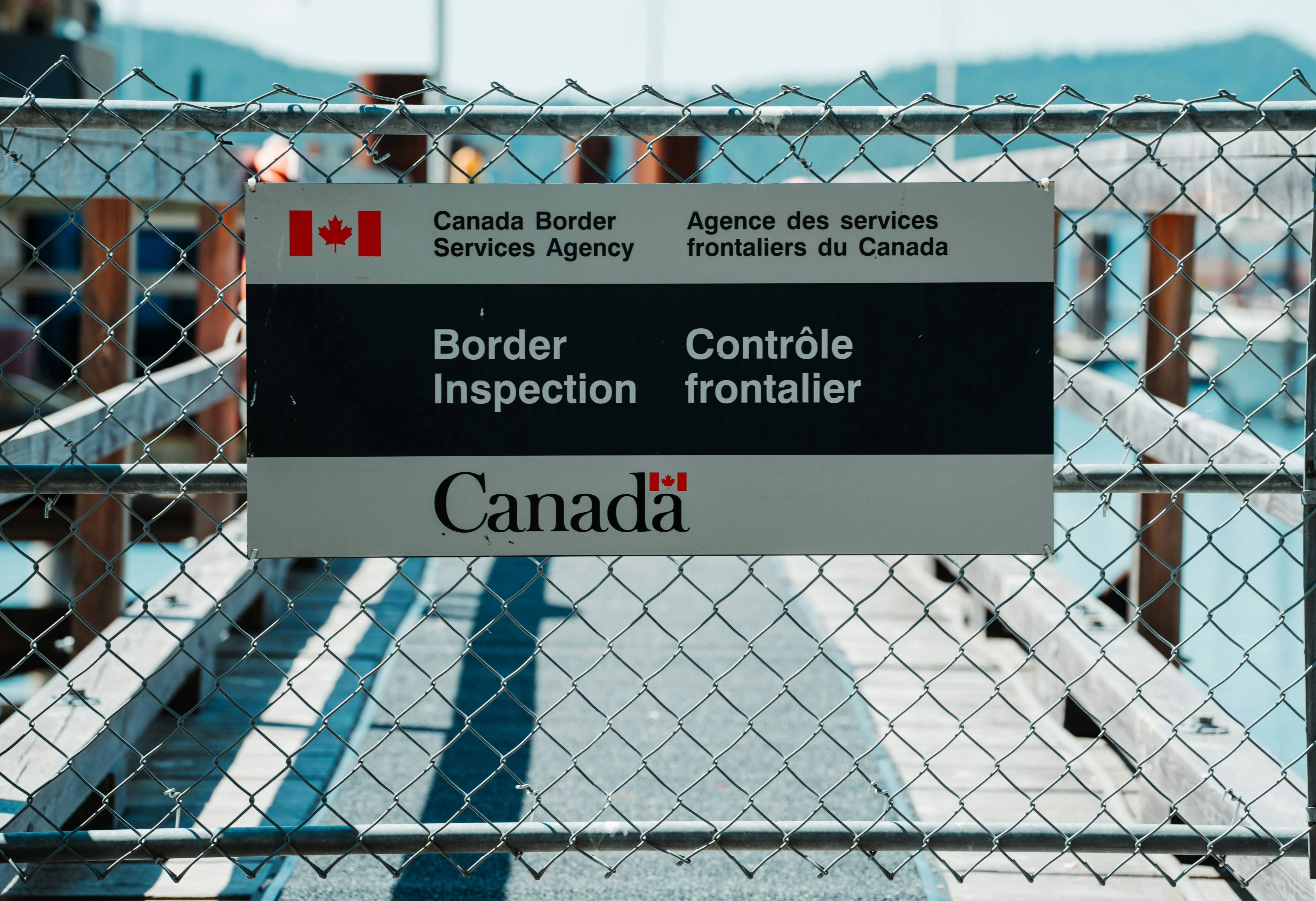
A US Entry Waiver is an official US government document that lets a person who is otherwise inadmissible legally enter the United States for a set period of time. Reasons for a waiver can include a criminal record, past deportation, or previous border refusal. Canadians most often need one because US Customs and Border Protection (CBP) can access Canadian criminal databases, even for old or minor offences.
If you have a criminal record or have been denied entry to the US before, this guide answers the questions travelers ask most: who needs a waiver, what it costs, how long it takes, and what happens if you're denied.
What Is a US Entry Waiver?
A US Entry Waiver is a document issued by US Citizenship and Immigration Services (USCIS) and US Customs and Border Protection (CBP) that grants temporary permission to enter the United States to someone who would otherwise be considered inadmissible.
It does not erase, seal, or remove your criminal record. It temporarily overcomes the specific reason you're inadmissible, such as a conviction, an old immigration violation, or a previous refusal, so you can legally cross the border while the waiver is valid.
Who Needs a US Entry Waiver?
You likely need a US Entry Waiver if any of the following apply to you:
- A past criminal conviction (even a single one)
- Drug-related offences
- Theft, fraud, or misrepresentation-related offences
- Assault or violence-related offences
- A previous denial of entry to the United States
- A past overstay or immigration violation
- A previous deportation or removal from the US
- Any prior concern flagged by CBP at the border
Whether a waiver is required depends on the offence type, how long ago it occurred, the sentence you received, and your overall travel and immigration history. The rules are complex and case-specific, it's worth confirming your admissibility status before you travel rather than finding out at the border. Use our free online eligibility checker now.
Does Every Criminal Record Require a US Entry Waiver?
No, not every criminal record makes you inadmissible to the United States. It depends on how the offence is classified under US immigration law.
- Likely need a waiver: drug/controlled-substance convictions, or any offence classified as a "crime involving moral turpitude"
- May not need a waiver: a DUI or an offence the US considers less serious (though this varies by case)
- If you’ve already been refused entry, you will generally need a waiver to return, regardless of the original offence
An offence that feels minor in Canada can still count as a crime of moral turpitude under US law so it is important to confirm your specific status before traveling is the safest approach. Our experts can answer your questions in a free consultation.
Can You Enter the US With a Criminal Record Without a US Entry Waiver?
Sometimes, but it's risky. A criminal record doesn't automatically ban you and CBP officers have broad discretion in admissibility decisions.
You may be able to enter without a waiver if:
- Your offence doesn't make you inadmissible under US law
- Your record isn't raised or flagged during entry
- You already hold a valid US Entry Waiver
- You've obtained clearance through another legal process
It’s important to note that a Canadian record suspension doesn’t automatically clear you for US entry. US immigration law does not recognize Canadian rehabilitative statutes that seal or remove a record.
Traveling without confirming your status first can result in denied entry, a formal refusal on your record, and future crossings becoming harder.
What Documents Are Required for a US Entry Waiver?
A US Entry Waiver application requires documentation that proves who you are, what happened, and how your circumstances have changed since. Commonly required documents include:
- Government-issued photo ID
- Fingerprints
- Certified criminal record check
- Court records and disposition documents
- Police records
- Proof of completed sentence, fines, or probation
- A personal statement explaining your situation
- Employment history
- Purpose-of-travel documentation
- Character references
- Evidence of rehabilitation or community involvement
The exact list depends on your case and an expert at AllCleared can help you gather the right documents for your case.
How Much Does a US Entry Waiver Cost?
The current government filing fee for Form I-192 is currently $1,100, with no right of appeal if the application is denied. Beyond that base fee, total cost varies depending on fingerprinting, obtaining certified court and police records, and whether you use a professional service to prepare your application.
Get more information about AllCleared’s US Entry Waiver filing costs.
How Long Does the US Entry Waiver Process Take?
The typical timeline is several months from start to finish. This depends on:
- How quickly you can gather required documents
- How accessible your court and police records are
- The complexity of your history
- Whether your initial application is complete and accurate
- Current government processing volumes
- Whether CBP requests additional information mid-process
It’s important that you start the application well before you need to travel. Applying only after a trip is booked creates avoidable risk and stress if processing takes longer than expected. Contact us to get started today.
How Long Is a US Entry Waiver Valid?
Validity periods vary by case as some waivers are approved for a shorter term, others for several years, depending on your history and the decision made by US authorities.
If your waiver expires while you're still considered inadmissible, you must renew it before your next trip. Traveling on an expired waiver can result in denied entry even if you were previously approved. Frequent travelers should track their expiry date and begin renewal early to avoid a gap.
What Happens If Your US Entry Waiver Is Denied?
A denial isn't necessarily permanent, but it does mean something in the application needs to be addressed before reapplying. Common reasons for denial include:
- Incomplete or missing documentation
- Concerns about the severity of the offence
- Insufficient evidence of rehabilitation
- Errors or inconsistencies in the application
- Recent or unresolved legal issues
- Unclear explanation of travel purpose
If you're denied, identify the specific reason before reapplying. Resubmitting the same application without addressing the underlying concern typically leads to a second denial. Strengthening a future application usually means adding documentation, clearer explanations, or stronger evidence of rehabilitation. Our experts can help.
Navigating a US Entry Waiver application on your own can be overwhelming, especially when it's unclear whether your record even requires one. Get started by checking your eligibility or booking a free consultation with an expert.
Frequently Asked Questions
Do I need a US Entry Waiver if my conviction was 20 years ago?
Possibly. There's no automatic expiry on inadmissibility based on offence age alone, it depends on the offence classification, not how long ago it happened.
Does a Canadian pardon (record suspension) let me skip the waiver?
Not automatically. A record suspension limits access to your record within Canada, but US authorities may already have the information on file.
Can I apply for a US Entry Waiver myself, or do I need a lawyer/service?
You can apply on your own, but many travelers use a professional service to reduce the risk of missing documentation or errors that lead to denial.
What happens if I try to cross without a waiver and I need one?
You risk being denied entry, which creates a formal refusal record that can complicate future applications and crossings.